

Tomorrow is the solstice. I don’t often celebrate the exact day of the sun’s reversal. There are plenty of long nights. I don’t need to tax myself just for the sake of observing the very longest. I’m also more traditional. I tend to celebrate Midsummer’s Day on the 24th, the day that most of my ancestors would have lit bonfires and Shakespeare’s Athenians were just waking up from their dreaming in the woods. I gravitate toward March 17th for the vernal equinox since leprechauns are rather important in my family; and, where I live now, the day that night and day are actually equal is the 17th. I may do an autumn equinox celebration on the day or the weekend closest to the equinox, but my Harvest Home dinner is almost always on Michaelmas. And as for the winter solstice, I celebrate with the rest of the world on the 24th. I’m just not celebrating quite the same thing.
I do enjoy the candlelight and carols of midnight mass on Christmas Eve, and the guy with the elves and the flying sleigh visited our house when the kids were little (and not so little…). But it is also Mother’s Night and Midwinter’s Eve, a long night of magic and mystery tales. It is a pregnant night, heavy with tradition. So many stories of nativity and renewal take place on this night. And of course, there is the added benefit of having the next day relieved of wage work. In fact, these days 25 December is an actual day of rest for me. No schedule to keep and no chores to attend to. I can stay up all night and read all the stories.
The way the weather’s been, a long night of comfort reading sounds like the best present ever!
A Holiday Booklist
Here is a list of books that I dig out most years. These are nominally adult titles. I don’t read them all every year, but they sit out for easy access.
A Christmas Carol by Charles Dickens. I have the 1868 President Publishing Co collection that also includes The Chimes and The Cricket on the Hearth. This edition contains the original illustrations by John Leech and a couple notes from Dickens on the writing and publishing of his wonderful work. I have read this every year since I was a child. Probably explains much…
Macrobius’s Saturnalia, Books 1&2 (translated and edited by Robert A. Kaster, my version is a little red book in Latin and English from Harvard University Press, 2011). I still don’t know what to make of this dinner conversation, but there is a wealth of local color in with the lessons on how to be a proper Roman.
4000 Years of Christmas: A Gift from the Ages by Earl W. Count and Alice Lawson Count (1997, Seastone). Written by an Episcopalian priest and then updated posthumously by his wife (a musicologist and historian), this little gem tells the whole story. Yes, it is focused on Christmas, but the title shows that there is far more than the Christian story in this holiday.
Two crafting books from Llewellyn. Yule: A Celebration of Light and Warmth by Dorothy Morrison (2000) and Yule: Rituals, Recipes & Lore for the Winter Solstice by Susan Pesznecker (2015, part of the Llewellyn Sabbat Essentials series). Lots of ideas and recipes! Let the inner fluffy bunny loose and get creative. Particularly good if you have kids out of school and need to do something about that…
Return of the Light: Twelve Tales from Around the World for the Winter Solstice by Carolyn McVicker Edwards. I kept this lovely book on my read-aloud shelf in the bookstore and sold it year-round. The stories are exquisite!
The Christmas history book — Christmas: Its Customs and Traditions, Their History and Significance by Clement A. Miles (my version is the Dover Classic from 1976, originally published in 1912). Everything from Yule trolls to Christmas cake.
The Old Magic of Christmas: Yuletide Traditions for the Darkest Days of the Year by Linda Raedisch (2013, Llewellyn Publications). One of the funniest collections of winter folklore you will ever find. And, because it’s Linda, more crafts and recipes!
Krampusnacht: Twelve Nights of Krampus, edited by Kate Wolford (2014, World Weaver Press). A fun collection of stories. Officially, not for kids, but they might steal your copy of the book and read it anyway. Because who doesn’t love Krampus!
Pagan Christmas: The Plants, Spirits, and Rituals at the Origins of Yuletide by Christian Rätsch and Claudia Müller-Eberling (2006, Inner Traditions, originally published in 2003 in German by Verlag). A splendidly illustrated book for the armchair anthropologist on your shopping list. In which we learn that Father Christmas might be a mushroom, among other fantastic interconnections between humans, winter, and the plants we love.
The Winter Solstice: The Sacred Traditions of Christmas by John Matthews with contributions from Caitlín Matthews (1998, Quest Books). Even more splendidly illustrated, this one is written more for sharing with the family. Equal parts history & lore and a practical handbook for creating your family celebration of the entire season.
I have two Gramercy Books that are invaluable. The first is Christmas Carols (edited by Glorya Hale, 1990) and it is just that — the words and melodies for several dozen midwinter songs. The second is Christmas Poems and Stories (no author or editor cited, 1992). From Luke chapter 2 to The Gift of the Magi, this slim book has all the stories.
Finally, there are two books on cookies… because that’s the real reason for the season… The Christmas Cookie Cookbook by Ann Pearlman and Marybeth Bayer (2010, Atria Paperback) is over 200 pages of cookie recipes and stories about… cookies… The other book is Cookies for Santa, a collection of vintage recipes by Benjamin Darling of Laughing Elephant, one of my favorite publishers (2009, Blue Lantern Studio). Mostly mid-20th century cooking pamphlets packaged with Laughing Elephant’s famous retro style. It’s a cookbook that doubles as a picture book for kids!
And then there are the kids’ books…
Everybody puts out a Christmas book at least once in their publishing lives. There are probably a few hundred versions of The Night Before Christmas alone. I’ve put together some of the more durable and delightful books for reading to kids in the winter darkness. Next week you may be able to find many of these on clearance — before the 12 nights are even over…
Around the beginning of this century, Gibbs Smith Publishers began pumping out tiny “night before Christmas” books for states, towns, professions, and whatever else struck their fancy. The books are jacketed hardcovers, about 3″ by 4″, and printed in something like 36 point typeface. So they get forty to fifty pages out of the famous poem, rewritten for each book in bouncy verse and illustrated in quirky mid-century tour-book style. I have a copy of The Night Before Christmas in New Mexico (2003, written by Sue Carabine, illustrated by Shauna Mooney Kawasaki).
If you want a version that you can read aloud by the fire with the kiddies all around, Philomel created a beautiful — and very large — illustrated reproduction of an 1870s version of Clement Clarke Moore’s The Night before Christmas, or a Visit of St Nicholas. There is no illustrator credit, but the original pictures are all stone lithographs, most of them familiar art icons.
Now, if you’d like a picture book of the Christian story, there is no better than Ruth Sanderson’s literally iconic The Nativity (1993, Eerdman’s Books for Young Readers). This is the story taken from the Gospels of Luke and Matthew illustrated with the rich color and majesty of a Renaissance painting.
I have a few “local” tales for Midwinter. The Woodcutter’s Christmas by Brad Kessler with wistful photographs of mostly abandoned holiday trees by Dona Ann McAdams (2001, Council Oak Books) is a beautiful little story of an old Vermonter who has a mystical experience and decides he really doesn’t want to cut down trees for Manhattanites. A Child’s Christmas in New England (2013, Bunker Hill Publishing), written by Robert Sullivan and illustrated by Glenn Wolff, is another heart-warming read-aloud that manages to neatly side-step schmalz. On a personal note, it’s set in north-central Massachusetts very near my former farm. And then there’s S. D. Nelson’s Coyote Christmas: A Lakota Story (2007, Abrams Books for Young Readers). Anything about Coyote is a great story. Add in Christmas, Raven, an accordion, Grandma and Grandpa, adorable kids, and Nelson’s formidable story-telling skills in both words and image, and, well, it’s just perfect.
The Twelve Days of Christmas [Correspondence] by the historian (and Viscount) John Julius Norwich and illustrated by the inimitable (and incorrigible) Quentin Blake will forever ruin the song for you. You’ll be laughing helplessly by Day 3. Every time. If you don’t want it ruined completely, a colorful and energetic “Twelve Days” comes from writer Gary Robinson and artist Jesse T. Hummingird — Native American Twelve Days of Christmas (2011, Clearlight Publishing). The last verse is twelve weavers weaving, which, I think, is the best Midwinter gift you could give!
Possibly the best illustrated version of Dickens’ A Christmas Carol was done by the fabulous Robert Ingpen (2008, Penguin Young Readers, minedition). This book contains the full Carol plus A Christmas Tree, a bit of history on Christmas after Charles reinvigorated it, and the whole chronological catalog of Dickens’ writing.
Then there’s the illustrated version of O. Henry’s The Gift of the Magi (1991, Unicorn Publishing House) which translates the story of a young, impoverished couple into siblings orphaned by the 1918 flu epidemic. Most of the story is verbatum Henry. The new parts are written in his voice. The illustrations make the story alive and sparkling. I think it might make more sense for this to be a story of children, but then Henry probably meant for us to think of Della and Jim as kids, plopped into a hard adult world well before they were ready.
Yes, truly everybody makes a Christmas book. I’ve elected to not include very many from the “well-loved picture book character does holidays” pile. But here are a few that I love just for themselves. The Christmas Quiet Book written by Deborah Underwood and softly illustrated by Renata Liwska (2012, Houghton Mifflin Books for Children). Fletcher and the Snowflake Christmas written by Julia Rawlinson and illustrated by Tiphanie Beeke (2010, Greenwillow Books). And my personal favorite (because I want to live in Woodcock Pocket) is I’ll Be Home for Christmas by Holly Hobbie, Toot and Puddle at their best.
There are many legends of old women at Midwinter, so I thought I should include a couple. These are child-friendly tales, as opposed to the child-eating in many stories featuring the winter hag. The first is The Legend of Old Befana by Tomie DePaola. (I have a Voyager paperback from 1980.) Tomie’s version of the legend ends with Befana flying through the air every 12th Night to leave warm goodies for kids. The next is the story of Germanic Tante (“Auntie”) told in Cobweb Christmas: The Tradition of Tinsel written by folklorist Shirley Climo and illustrated by Jane Manning (my version is the 2001 HarperCollins Children’s Books edition of this 1982 picture book). It explains why spiders are on most Bavarian Christmas trees and paints a gentle portrait of the old witch of the woods. There is no gingerbread.
Two more from Tomie are essential Midwinter reading: The Legend of the Poinsettia (1994, PaperStar/Putnam) and The Night of Las Posadas (1999, Puffin). Both have Tomie’s “Author’s Notes” that tell the cultural narrative behind his joyful tales.
Two kid dreams of Santa that end in bells on Christmas morning are by now classics. The first is The Polar Express (1985, Houghton Mifflin Company), the least scary of all that Chris Van Allsburg has created for kids (and yet still sort of darkly foreboding for a happy holiday tale). I have to say that this is really not my favorite book, but millions of kids from at least two generations now will beg to differ. Then there’s the more recent instant classic, The Christmas Wish (2013, Random House), written by Lori Evert and illustrated with brilliant photography by Per Breiehagan. For every child who wants to trek to the North Pole with a host of friendly creatures, this is a sort of “East of the Sun, West of the Moon” fairy tale with Santa Claus in place of the Ice Queen. The star of the book is the daughter of this husband and wife team — can you imagine how fun that project must have been!

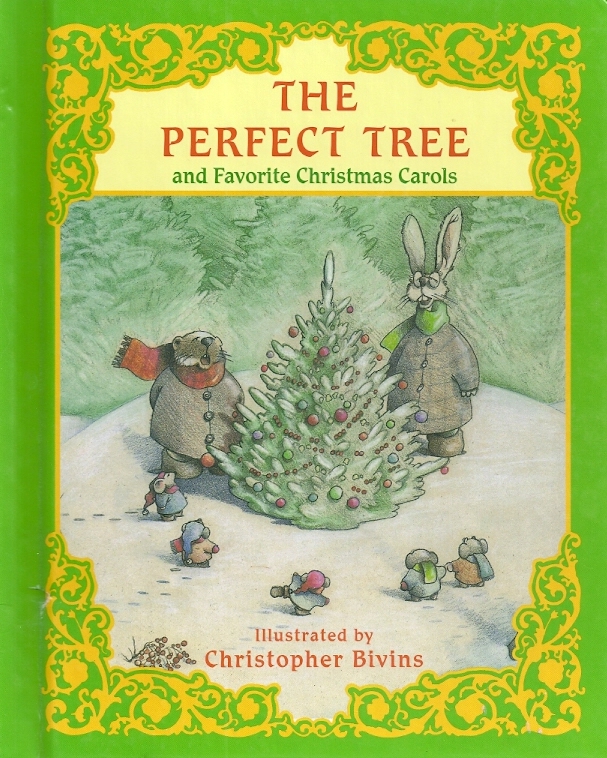
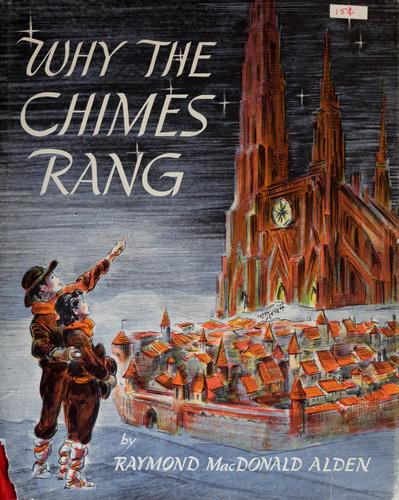
And now we’re down to my favorites. Chris Raschka illustrated the poem, “Little Tree” by e. e. cummings with his busy geometrical images and wrote a whole story to go with the poem (my version is a board book entitled Little Tree from Hyperion, 2001). You’ll not be surprised to hear that cummings is my favorite poet and this particular poem one of the dearest from his large body of work. But Raschka tells the story from the tree’s perspective, adding the enduring desire to gather together at this time of year. The same motif is found in The Perfect Tree by Thomas and Christopher Bivins (1990, Unicorn Publishing House). Only it takes quite a lot for Badger to realize that all he really wants is his friends, not all the trappings of the holiday. I have read this book to kids every year for decades. I honestly can’t imagine Christmas without it. And my favorite picture book? A book I’ve had since childhood — Why the Chimes Rang, written by Raymond MacDonald Alden and illustrated in colored pencil drawings by Rafaello Busoni (my version is from 1954, Bobbs-Merrill). A variant of the “greatest gift” folktale, this story beautifully captures the heart of generosity. Again, I can’t imagine Christmas without this book.

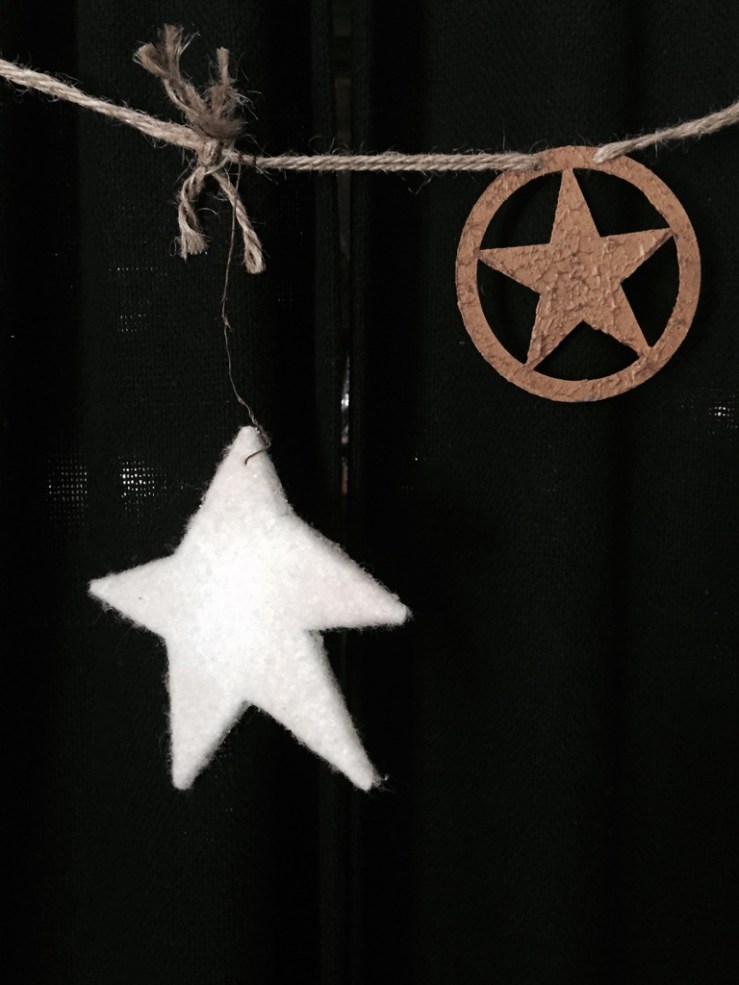
winter mother
she bends over this cradle
caroling incantation
with church chimes at midnight

she soft brushes skin
gentling night terrors
away with the hunting grey mare

she calls my name
murmuring true hope
and i dream of roses in snow

this cardinal song-rain
‘neath midwinter stars
gleams through the rime-covered night
beckoning home-ward
the near and the far
and sets christmas wishes alight
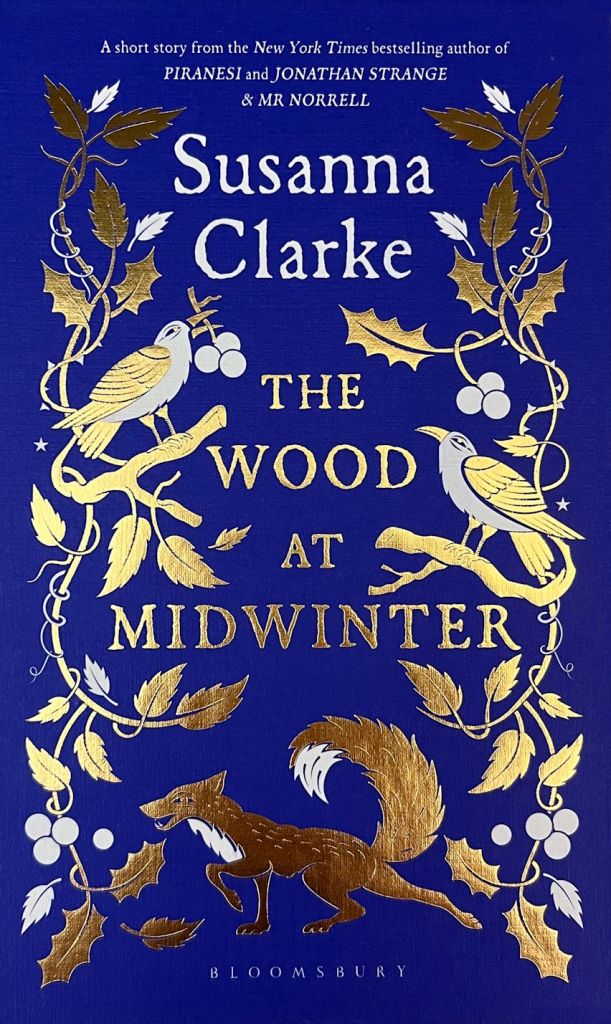
Here is one more that needs its own category. Released this year, it is not a classic, though it may well become one. It is not a picture book, though it is elegantly illustrated throughout and the images are integral to the story. It is not a children’s book, but it is a wonderful read-aloud with an old-fashioned nursery rhyme feel. It is somewhere in between novella and short story in length and structure. It is not a Christmas story, but it is centered on the time of deep winter. Both the wood and winter are not part of a setting, but characters that drive the narrative. It is not a happy story, but it left me filled with quiet peace. It is exactly what one might expect of a bedside tale from Susanna Clarke, and I shall be reading it at Midwinter every year.
©Elizabeth Anker 2024

 By My Solitary Hearth
If you see the “holidays” as a celebration of life, there are two books by Dolores LaChapelle that are at the top of my book list. The first is “Earth Wisdom.” The second is ““Sacred Land, Sacred Sex, Rapture of the Deep”” both published by Finn Hill Arts, 1978 and 1988. Folks don’t talk about deep ecology much anymore, but in the day, it was a big thing – at least for me. Both books certainly changed the way I looked at holiday celebrations and more important, life.
LikeLiked by 1 person