

Today is the day we celebrate the birth of Jesus, the Christ-child, the savior deity of the Christian faith. Today is also the birthday of Mithras the cult deity of the Roman legions, who began his existence as a sun god, the Unconquered Sun, Sol Invictus, of which the emperor was the earthly avatar. Today is also the day that commemorates the death of Attis and Adonis, among other lordly human consorts of the goddess. This is also the height of the fallow season, when the deities, Demeter and Isis and Ishtar, set aside their shining strength and went searching the darker realms for their lost lovers and children. And this is when Inanna returned after her sojourn in the underworld to find her consort-king, Dumuzi, unfaithful and sent the traitorous goatherd to the darkness in her stead.
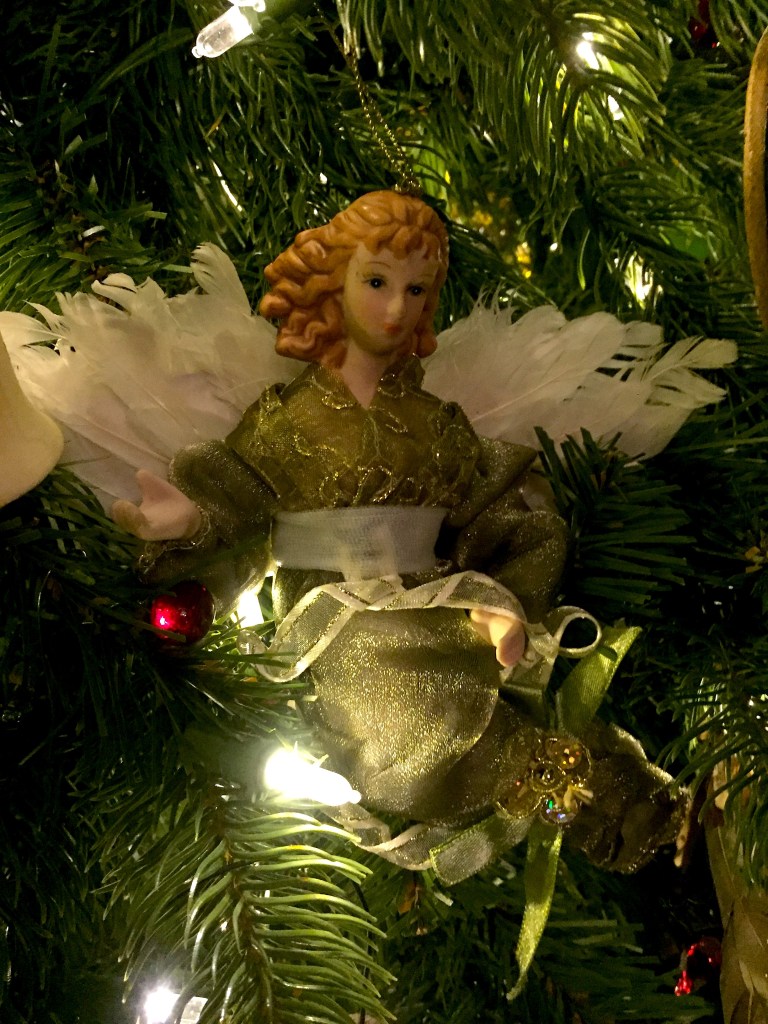
Nineteenth and twentieth century mythographers, the forefathers of anthropology, saw all these stories as anthropomorphized grain, the grain gods who are born to die so that we may live. That coloring of the stories can be seen in the Adonis gardens of fresh wheat grown at Midwinter and the fact that Jesus was born in Bethlehem, which means the “house of bread” (or food, meat). Demeter’s child was originally named Kore, which means simply “seed”.
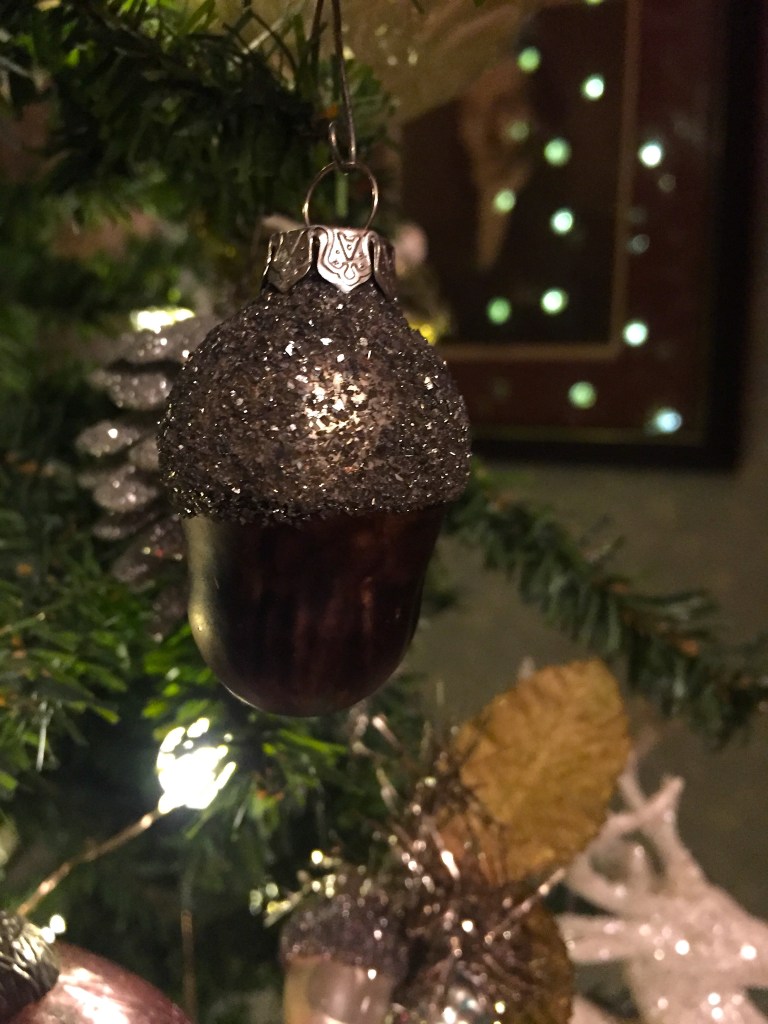
It’s interesting that the mythographers focused on the child and the lover, but not the source. The children and lovers of the goddess were not the original protagonists. They didn’t move the story. These are not stories of the death of the seed, but of the rising of the light.
In any case grain is not born to die. Grain is the seed. (Which, by the way, is also not male, but the fertilized female reproductive organs of a plant.) The seed is potential, it is new life awaiting the spring. We mammals eat some of the seeds and we are nurtured by this encapsulated life. But where does the life come from? The ability of plants to transform light into matter. The seed is the transmogrification of soil and water and air and sunlight into a new living being. (You might see the basic elements in there… earth, air, fire and water.)
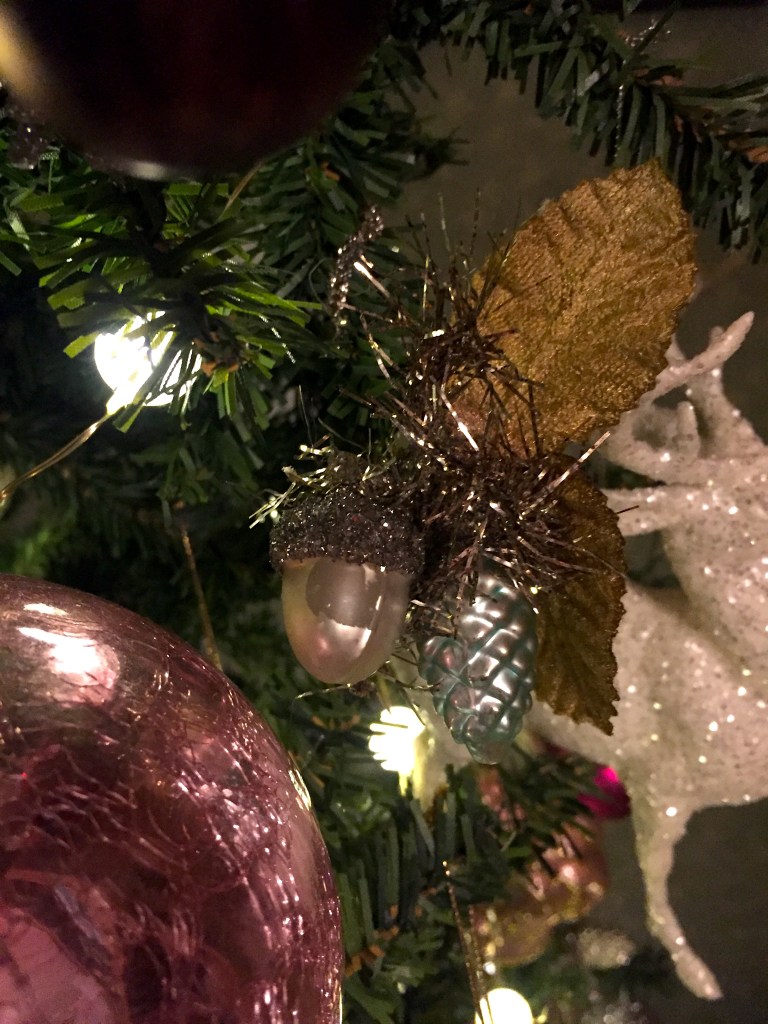
A seed is not born to die. It is formed to spread and sustain life, and not merely new generations of plants. Many things about seeds are unnecessary to becoming a plant. All that meat and sugar and scent and color could be interpreted as the plant’s hope that it will entice some mobile creature into carrying the seeds to sunshine, but this seems an extravagant investment in hope, seems much more like intentional nurturing of other beings. The seed itself is merely a blueprint. It is no more than genetic information for that magical transformation of elements into plants, with perhaps a bit of food tucked into the shell to get the seedling to the light. But an apple or an acorn or a pine cone… or the abundance of strawberries with dozens of potential new plants adorning each luscious confabulation of sugar. This is largesse from plants to the beings that can’t magically turn light into matter.
But the giver is not the seed. It is the tree or the vine or the small slender stem of grass. The mother plant gives us all this life. It is not a sacrifice. It is a gift.
Happy Christmas!
©Elizabeth Anker 2024

 By My Solitary Hearth
For they have sown the wind, and they shall reap the whirlwind: it hath no stalk: the bud shall yield no meal: if so be it yield, the strangers shall swallow it up.
LikeLiked by 1 person
Thanks for this – it’s the best thing I’ve read about the magic of Christmas.
LikeLiked by 1 person