

Things to look forward to…
scattering wildflower seeds
I’ve begun to plant seeds. I don’t typically do much scattering, especially not at this time of the year when I want to give my seeds every possible chance of survival. I find that scattering does not make for successful sowing. Maybe it works for others. There are certainly plenty of wildflower seed mixes that indicate that somebody has had success with this. Or at least people believe that somebody has had success.
Still, it is fun to take a handful of seeds and toss them into the air, letting fate decide where the flowers will grow. For most wildflowers, this isn’t going to happen in the same growing season as the scattering. Most seeds need a winter of abuse to break down their hard shells enough to allow germination. Also, it’s best to scatter in the cold months when seed eaters are less active. But this is my favorite tactic in guerilla gardening. I toss aster and goldenrod seeds on steep banks along the roadside, coming back in a couple years to see patches of purple and gold which are often covered in bees and butterflies. But I don’t much use seed mix. I just gather seeds off the plants in my garden. I suspect broadcasting seed mixes would be unrewarding — though just as fun to toss!
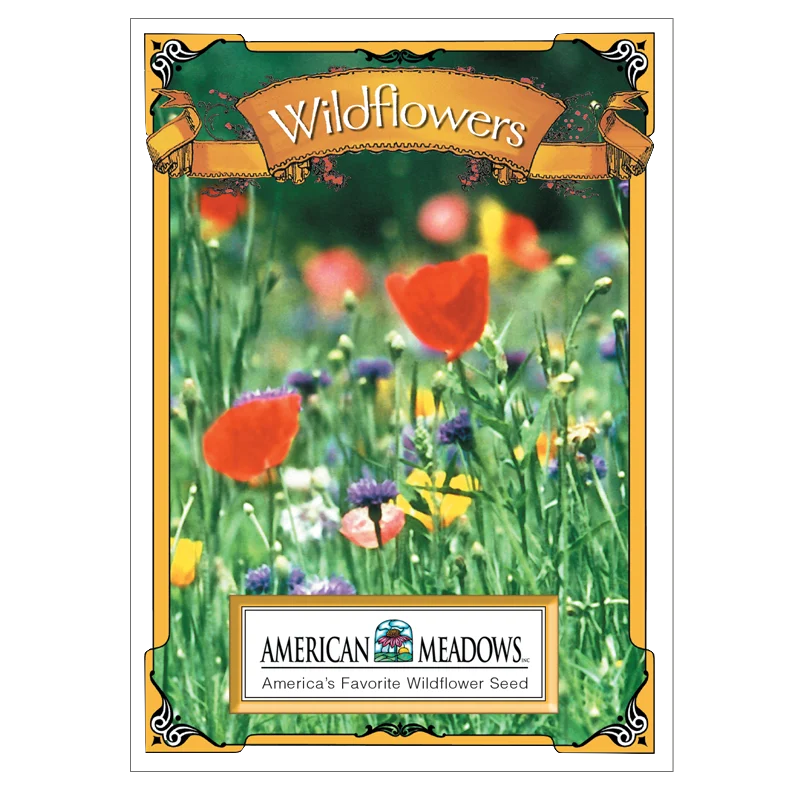
I’ve often looked at those wildflower seed mixes and wished they worked better. It would be lovely to sow a mixture of pollinator and beneficial bug attractors and then watch the flowers grow. For me, it’s more often the case that few seeds in the mix will reach maturity, and only those that I find annoying — like Queen Anne’s Lace or fleabane. Instead, the patch of bare soil will invariably sprout an unholy tangle of the worst weeds in my neighborhood — Virginia creeper, celandine poppy, crabgrass, black nightshade, and more. Even when the seeds grow into plants, almost none will bear the showy flowers that are advertised on the seed packets.

In fact, most wildflowers are rather unprepossessing. The blooms are small and pale. The plants are ragged and spindly even as they ramble and ooze all over your garden, sometimes rather viciously. Quite a number of them are toxic. But at least wildflowers do flower and often make great bee plants (though you must be wary of eating the honey from bees that have been harvesting pollen from poisonous plants). However, the main plants that grow to maturity in my butterfly gardens are grasses. Which are not butterfly plants… They are also damned difficult to eradicate once established.
If you look at those butterfly garden seed mixes, most of the flowers are not actually wildflowers. They are cultivated flowers like poppies, lupines, zinnias and cosmos. Some might grow to maturity, if you are vigilant about pulling the weeds, but you will probably have to go through the whole process again next year because most of them are annuals. Worse, the most vigorous and healthy plants are probably hybrids which may or may not even produce viable seed. They will certainly not grow the same flowers as their parents. And these hybrids often do not produce much pollen. (Why bother, thinks the plant…) So you, paradoxically, will have a butterfly garden devoid of food for butterflies — though it might look pretty.
I don’t mean to be a killjoy. Scattering wild seeds is truly joyful. Just don’t expect much from it. You are unlikely to instantaneously create a bountiful mass of colorful blooms adorning healthy, well-behaved plants. If you want flowers for bugs or butterflies or just beauty, then you’ll need to leave a little less to chance and put more work into it. It will probably also take a few growing seasons. And this is even more true of wildflower seeds, most of which are perennials that take time to mature and bloom.
So scatter and cultivate and be fierce with invasives — but be patient and accommodating with the flowers. Eventually, the garden will surprise you with beauty… though it’s unlikely to be anything like the picture on the seed packet.
Here are two poems — one for seeds, one for roots — which about sums up the Spring garden for me.
planting
here is a seed
     my soul-gift to the future
     a self i cannot know
     but in dreams and divination
yet though i cannot see
     certain am i
     hope spreads roots in this soil
here lives
     joy
     abundance
     great care
in this mattering nature
     dwells nurturing spirit
no, no divide is there
     twixt the sense of hand
     and the sense of heart
and so i plant this assurance
     my gift to you
     dear denizen
     of a world i will never know
may it grow well
rooted wisdom
fingers dipped in soil
find living loamy mind
chattering trees dreaming
entangled fungal scheming
creaturely connection
and rooted reflection
reaching futures
far beyond branches
this unassuming earth
pulses with purpose
preconception
potential
breeds interrelation
in breaking stone
breathing water
breaching boundaries
becoming mother to interbeing
this!
dark matter
woven with sunlight
and senescent life
this is love
and this, right here, underfoot
fingers in soil
is touching true wisdom
Wednesday Word
for 27 March 2024
roots
If you choose to share a bit of something rooted, you can respond in the comments below or go visit the All Poetry contest for March. Your response can be anything made from words. I love poetry, but anything can be poetic and you needn’t even be limited to poetics. An observation, a story, a thought. Might even be an image — however, I am not a visual person, so it has to work harder to convey meaning. In the spirit of word prompts, it’s best if you use the word; but I’m not even a stickler about that. Especially if you can convey the meaning without ever touching the word.
Even if you don’t care to scribble, I’ve made you think about… roots.
©Elizabeth Anker 2024

 By My Solitary Hearth